
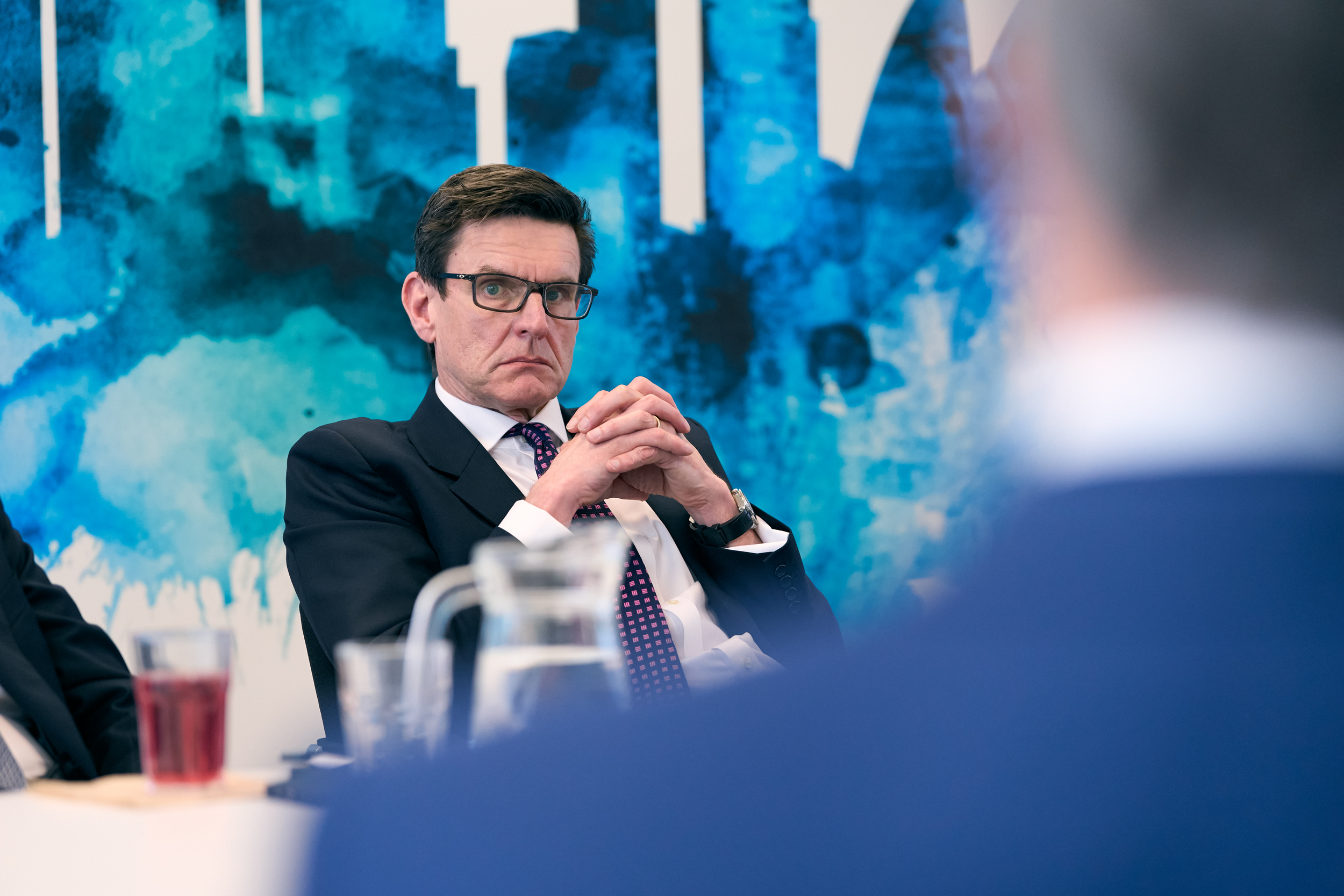

When did you last properly look at your corporate headshots?
Not just glance at them on the website, but really look.
Because if you do, there’s often a moment, usually a quiet one, where something feels slightly off. Not wrong exactly, just… inconsistent.
You’ll spot the “favourite” image that’s still doing the rounds five years on. The one everyone agreed was a great photo at the time. Or a portrait that’s been cut out and placed onto a white background, sitting slightly awkwardly alongside the rest of the team.
And then there’s the one that makes you pause for a different reason. The one where you think, they don’t quite look like that anymore.
It’s not unusual. In fact, it’s more common than most organisations realise. What’s interesting is that none of this usually happens by design.
Headshots are commissioned at different times, in different locations, often for entirely valid reasons. A new hire here, a leadership update there, a quick solution to meet a deadline. Individually, each decision makes sense. And what you’re left with isn’t a cohesive set of corporate headshots, but a collection, one that doesn’t always sit comfortably together.
The classic portrait still has its place. It always will. Something is reassuring about a clean, well-lit, consistent image. It does exactly what it needs to do, clearly and without distraction. For organisations operating across multiple offices or regions, that level of consistency is often essential.
But expectations have shifted, quietly.
There’s a growing move towards what might be described as corporate lifestyle photography, imagery that reflects the day-to-day reality of how people work.
Not staged, not overly styled, but considered.
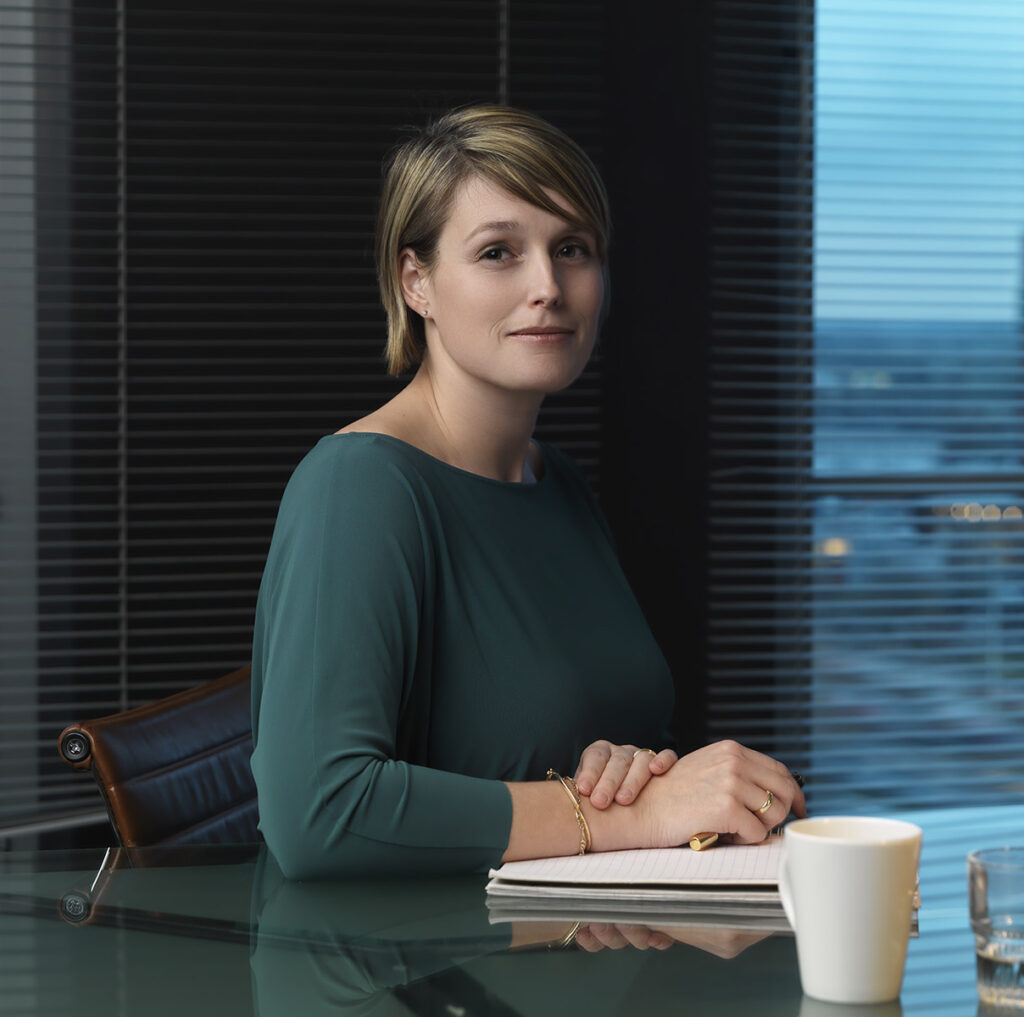
Leaders at their desks. In conversation with colleagues. Moving through reception. Moments that feel familiar rather than formal. A sense of how someone operates, not just how they present.
It’s the kind of imagery that prospective clients, partners and future employees increasingly respond to. Not always consciously, but instinctively. And something widely discussed in employer branding and visual identity research. CIPD research suggests that only 14% of respondents are taking steps to measure the impact of their employer brand.
And in many cases, it’s this context that shapes perception, particularly when delivered consistently at scale across multiple locations. The challenge, more often than not, isn’t choosing a style. It’s making sure everything works together.
Because it offers something more than a portrait, it offers context.
Because when it doesn’t, it shows. Not in an obvious way, but in the kind of way that makes a leadership team feel slightly disjointed, as though it has been assembled over time rather than presented with intent.
You see it most clearly when images sit side by side. Different lighting, different crops, different tones. One formal, one more relaxed, one clearly from another time altogether.
And then, occasionally, the cut-out.
Perfectly good in isolation, but somehow out of place within a more structured set.
It’s a small detail, but it carries weight.
As organisations grow, across teams, offices and regions, this becomes increasingly difficult to manage.
Not because the quality isn’t there, but because there’s no single thread holding it all together.
This is where corporate photography moves beyond individual sessions and becomes something more considered: a coherent brand library of imagery, built to work consistently across locations and over time.
That shift isn’t about moving away from the studio, nor is it about following a trend.
It’s about being deliberate.
Creating a body of work that reflects the organisation as it is today, not just through consistent portraits, but through imagery that shows how leadership and teams operate in practice, aligned across locations and delivered consistently at scale.
Because these images do more than fill space on a website.
They shape perception.
It’s worth taking a step back and asking a simple question: If someone looked at your leadership team today, would it feel cohesive?
Or would it feel like a series of decisions made at different times, for different reasons?
At Global Assignments, we work with organisations to bring that alignment back, creating consistent, high-quality photography that works across teams, offices and regions.
Whether that means commissioning a new set of executive corporate headshots, introducing more natural, in-context imagery, or building a cohesive brand library over time, the focus is always the same: clarity, consistency and a considered approach.
Our work often involves delivering this at scale, ensuring imagery remains aligned across multiple offices and evolving teams, without losing a sense of individuality.
You can see this reflected in our work with Oxford University, a global corporate photography assignment delivered across multiple locations where the challenge was not simply capturing strong individual portraits, but ensuring they worked together across a large and complex organisation.
If you’ve had that moment, that slight pause when looking at your own team’s images, it’s usually a sign it’s time to revisit them.
